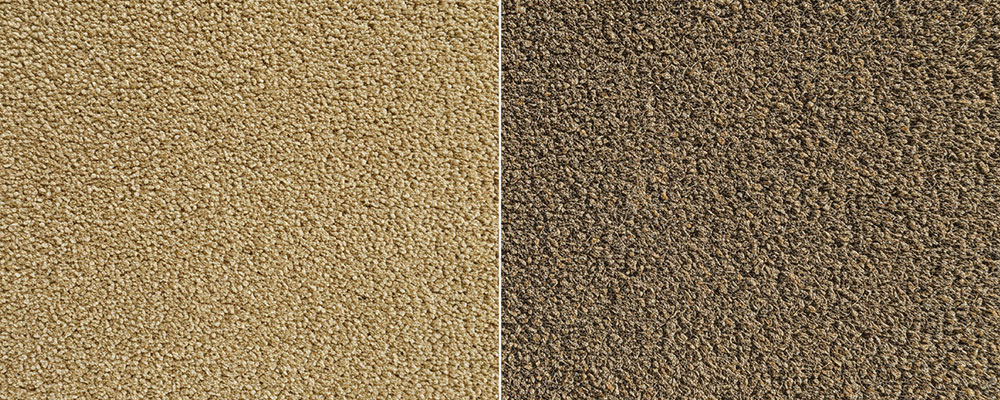

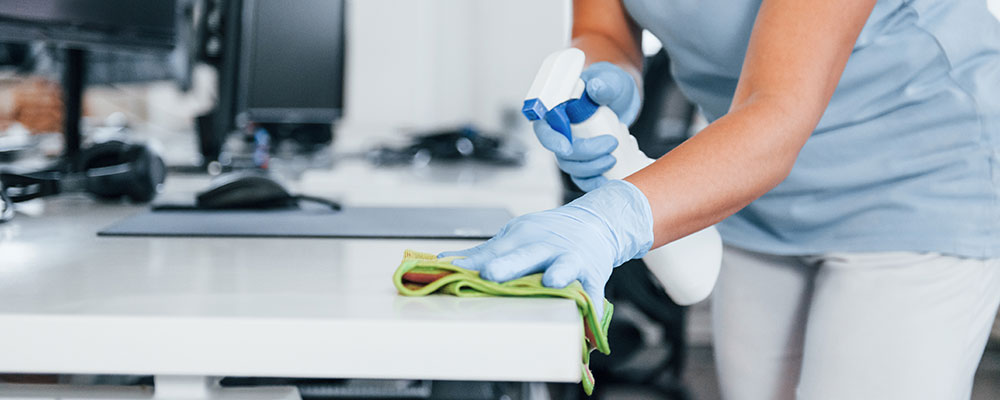
If your carpet is starting to look dull, smell musty, or show traffic lanes that won’t lift, you’re not imagining it. Commercial flooring collects fine dirt, moisture, and spill residue fast—especially in entry areas, hallways, and breakrooms. The good news is that most “carpet problems” are predictable, which means they’re preventable. These carpet cleaning tips are built for real workplaces where you need floors that look professional, feel clean, and hold up under daily use.
For businesses across North Texas and Southern Oklahoma, Wall to Wall Cleaning Services helps offices, medical facilities, retail spaces, and other commercial properties stay consistently clean with customized plans and dependable communication. Learn more about our approach here: Wall to Wall Cleaning Services.
Why Commercial Carpet Starts Looking Worn So Fast
Commercial carpet doesn’t just get “dirty.” It wears down. The main culprit is gritty soil—tiny particles that work their way into the pile and grind against the fibers every time someone walks across it. Add moisture from rain, spills around coffee stations, and oils from breakrooms and loading areas, and you get the perfect recipe for traffic lanes, odors, and stubborn spots.
One of the most useful carpet cleaning tips to remember is this: the goal isn’t constant deep cleaning. The goal is controlling the things that cause rapid wear—tracked-in soil, moisture, and residue left behind from spot treatments.
Tip #1: Stop Dirt at the Door (The Biggest Win for Carpet)
If you want the best results with the least effort, focus on entry control. Most embedded soil starts at the front door, not in the middle of the office. Strong entry habits are the most “high ROI” carpet cleaning tips a business can adopt.
Use a Real Entry Mat System (Not One Tiny Mat)
A single mat helps, but it won’t stop traffic lanes from forming. A better setup is a simple multi-step system:
- Outside scraper mat to remove gravel, mud, and larger debris
- Inside absorbent mat to trap fine dirt and moisture
- Runner in the main walkway to keep capturing what gets past the door
Coverage matters because people need multiple steps to actually wipe their shoes. The longer the path, the less grit ends up embedded in carpet fibers.
Have a Rainy-Day Routine
Bad weather can wreck carpets in hours. Keep it simple and consistent:
- Put extra runners down in main traffic paths
- Check entry mats mid-day and vacuum if they’re loaded
- Spot-blot wet areas quickly so moisture doesn’t migrate
Tip #2: Vacuuming Is the Foundation (And Most Teams Underdo It)
Vacuuming is the most important part of carpet care because it removes dry soil before it embeds. If carpet looks dull, it’s usually because routine vacuuming isn’t happening where it matters most: entry zones and traffic lanes. Among all carpet cleaning tips, this one extends carpet life more than almost anything else.
Vacuum Frequency by Traffic Level
- High traffic (entries, hallways, main paths): daily
- Moderate traffic (open offices, conference rooms): 2–3 times per week
- Low traffic (private offices, storage): weekly
Vacuum Slower Than You Think
Fast passes leave soil behind. For better removal:
- Use slower passes in walkways
- Overlap slightly on each pass
- Vacuum in two directions when possible
Maintain the Vacuum So It Can Do Its Job
A clogged vacuum isn’t cleaning. Empty or change bags before they’re packed, keep filters maintained, and clear hair/string from brush rolls. If you want a performance benchmark for vacuums and indoor carpet care, the Carpet and Rug Institute offers guidance and programs focused on carpet performance and maintenance: Carpet and Rug Institute.
Tip #3: Handle Spills the Right Way (The First Minutes Matter)
Most permanent stains are created by the cleanup attempt—not the spill itself. The biggest rules are simple: blot, don’t rub, and don’t soak. If you want carpet cleaning tips your team will actually remember, start here.
Blot, Don’t Scrub
- Blot with clean white towels or paper towels
- Work from the outside edge toward the center
- Keep blotting until the towel stops picking up moisture
Start With Water Before Chemicals
For many fresh spills, plain water is the safest first step. Overusing spot cleaner can set stains, damage fibers, or leave residue that attracts dirt. Use minimal moisture, blot thoroughly, then reassess. If you do use a spot product, follow label instructions and test in an inconspicuous area first.
Avoid Over-Applying Spot Cleaner
One of the most common commercial mistakes is soaking the spot with cleaner. Too much product can push the spill deeper, leave a sticky film, and create rapid re-soiling that makes the area look dirty again within days.
Tip #4: Know the Common Commercial Stains (And How to Avoid Making Them Worse)
Different messes respond differently. Here are practical carpet cleaning tips for the stains that show up in offices and commercial buildings. In highly visible areas, it’s often smarter to stop early and get professional help than to risk spreading the stain.
Coffee and Tea
- Blot immediately
- Use a small amount of water and blot again
- If color remains, use a gentle carpet spot cleaner sparingly and blot dry
Stains can “wick” back up if the carpet stays damp. Dry the area as much as possible and limit foot traffic until it’s dry.
Grease and Oily Spots (Breakrooms, Near Loading Areas)
- Blot excess oil
- Use a product intended for oily stains sparingly
- Lightly rinse with water and blot until dry
If oily spots are common, it’s a sign the area may need more frequent professional attention to prevent build-up.
Salt and Winter Slush Residue
- Let it dry and vacuum the crystals
- Lightly mist with water to dilute residue and blot
- Repeat as needed rather than soaking the carpet
Salt can stiffen fibers and leave dull patches. The best fix is controlling it at the entry and cleaning residue early.
Ink
Ink spreads fast. Blot gently and avoid aggressive scrubbing. If the mark is in a customer-facing area, it’s often better to bring in a professional with the right spotting tools.
Tip #5: Prevent Re-Soiling (The Residue Problem Most People Miss)
If you clean a spot and it looks dirty again a few days later, residue is usually the reason. Many spot cleaners leave a film that grabs soil quickly. These carpet cleaning tips reduce that “it came right back” effect:
- Use less product than you think you need
- After spot cleaning, lightly rinse with water (don’t soak)
- Blot until the area is as dry as possible
- Vacuum once fully dry to lift the pile and remove remaining soil
Tip #6: Control Odors and Indoor Air Complaints
Carpet odor is usually trapped moisture, embedded soil, or spill residue. In commercial settings, odor can also tie into indoor air comfort—especially in high-traffic areas or humid seasons. If your team is dealing with musty smells or allergy-type complaints, focus on moisture control and consistent soil removal.
For general indoor air quality guidance in buildings and workplaces, the EPA maintains practical resources that can help facility teams understand what impacts air comfort: EPA Indoor Air Quality (IAQ).
Quick Odor-Reduction Actions
- Increase vacuuming in traffic lanes and entry zones
- Address wet spots immediately and dry thoroughly
- Do not mask odors with heavy fragrance products that leave residue
- Schedule periodic deep cleaning so embedded soil doesn’t build up
Tip #7: Know When It’s Time for Professional Deep Cleaning
DIY routines are great for day-to-day maintenance, but they can’t fully remove embedded soil in heavy traffic lanes. If you’re seeing any of these, it’s time to reset the carpet with a deeper approach:
- Traffic lanes look gray even after vacuuming
- Odors linger, especially in humidity
- Stains keep returning in the same areas
- Carpet feels stiff, sticky, or matted down
Professional deep cleaning can lift embedded soil, reduce odors, and help carpet look more uniform—especially in entry areas and main walkways. The right method depends on carpet type, building use, and how quickly you need the area back in service.
Tip #8: Build a Simple Carpet Maintenance Plan Your Team Will Follow
The best carpet cleaning tips are the ones that become routine. Keep your plan simple enough that it actually happens.
Daily
- Vacuum entry lanes and main traffic paths (high-traffic areas)
- Check for fresh spills and blot immediately
- Inspect mats and runners and vacuum them if they’re loaded
Weekly
- Vacuum low-traffic areas
- Detail vacuum corners and edges
- Spot treat visible stains, then blot until dry
Monthly
- Walk the building and identify repeat problem zones
- Shift small furniture slightly to prevent uneven wear patterns
- Review supply station readiness (towels, approved spot product, signs)
Quarterly or As Needed
Schedule professional carpet cleaning before carpet looks “too far gone.” Businesses that wait until carpet looks terrible often need more aggressive restoration and experience more downtime.
Next Steps: A Fast Checklist You Can Use This Week
If you want quick wins, follow this checklist and you’ll see improvement fast:
- Increase mat coverage at the entry and add runners in the main path
- Vacuum traffic lanes daily for the next two weeks and compare results
- Set up a basic spill response station and train staff to blot, not scrub
- Reduce product use during spot cleaning to avoid residue re-soiling
- Identify repeat trouble zones and plan targeted cleaning or a professional reset
These carpet cleaning tips aren’t complicated—but they work because they target the real causes of carpet wear: grit, moisture, and residue.
Connect With Your Local Commercial Cleaning Pros
If your carpets are showing traffic lanes, holding odors, or just aren’t presenting your business the way you want, Wall to Wall Cleaning Services can help with a customized commercial carpet cleaning plan and consistent results.
To request a Personalized Quote, reach out here.