

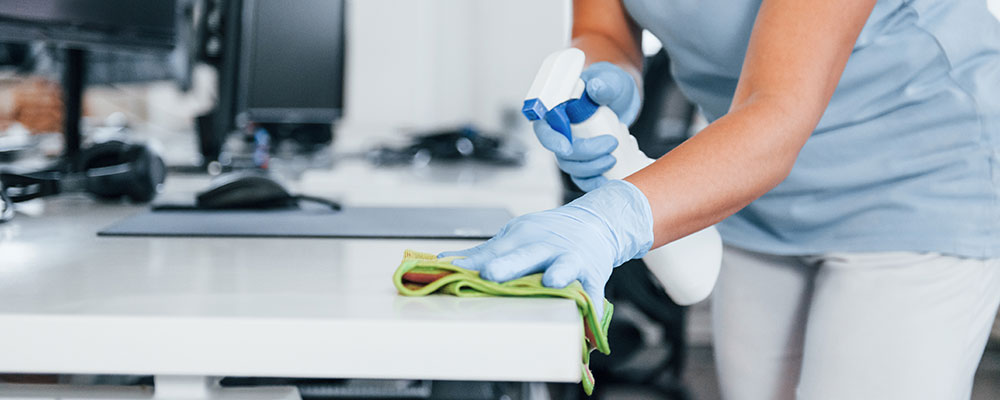
If you’re asking when do you need professional office cleaning, it usually means something has started to slip: the floors never look quite right, the restrooms are harder to keep up with, dust shows up faster than it used to, or employees are quietly avoiding the breakroom.
Office cleanliness is one of those “background” details that becomes obvious the moment it’s not handled well. It affects first impressions, employee comfort, indoor air quality, and even how often small issues (like spills or grime buildup) turn into expensive repairs.
In this guide, we’ll break down the clearest signs your office is ready for professional help, how to think about cleaning frequency, and how to build a plan that fits your space and your traffic. If you’re in North Texas or Southern Oklahoma, Wall to Wall Cleaning Services has spent 20+ years helping businesses stay consistently clean with dependable service and clear communication—especially in offices, medical facilities, retail spaces, and other commercial environments.
What “professional office cleaning” really means (and what it’s not)
Professional office cleaning isn’t just “someone takes out the trash.” It’s a consistent, repeatable system for keeping your facility sanitary, presentable, and maintained—especially in the areas that degrade fastest: restrooms, breakrooms, entryways, floors, and high-touch surfaces.
It’s also different from occasional deep cleaning. Many offices need both:
- Routine janitorial cleaning: Ongoing service that keeps daily grime from piling up.
- Periodic deep cleaning: Higher-detail work like floor stripping and waxing, carpet extraction, detailed baseboards, and built-up grime removal.
- Specialty cleaning: Post-construction cleanup, window cleaning, and targeted sanitation when needed.
In other words: if your office feels “fine most days” but looks tired up close, routine service may be missing. If it looks clean on the surface but smells off, feels dusty, or has stained flooring, deep cleaning is likely overdue.
When do you need professional office cleaning right now?
Some signs are obvious (sticky floors, overflowing trash). Others are quieter but just as important. Here are the most common indicators that it’s time to bring in a professional team.
1) Your cleaning is inconsistent—even if someone is “handling it”
Many businesses rely on a rotating “whoever has time” approach: someone wipes counters when they notice it, someone runs a vacuum if clients are coming, someone cleans the restroom when it starts looking rough.
The problem is that inconsistency compounds. Dirt builds up in corners, restrooms degrade quickly, and floors wear faster when maintenance is sporadic. If your office looks different week to week (or room to room), that’s a major sign you’ve outgrown informal cleaning.
2) Restrooms are becoming a recurring complaint
Restrooms are a fast indicator of your overall standards. If employees or visitors regularly mention odors, empty soap dispensers, messy floors, or “it could be better,” it’s time.
Beyond appearance, restroom cleanliness is also about reducing germs on high-touch points like door handles, faucets, and dispensers. A professional cleaning plan keeps the details from slipping.
3) The breakroom is always messy (and nobody “owns” it)
Breakrooms are high-traffic, high-mess areas—food crumbs, coffee spills, microwaves, shared refrigerators, and sink grime add up quickly. If your breakroom never feels truly clean (even after someone wipes the counter), you likely need a scheduled routine that includes:
- Sanitizing tables and counters
- Cleaning sink areas and splash zones
- Spot-cleaning appliance exteriors
- Managing trash and odors
4) Your floors look dull, stained, or “permanently dirty”
Floors take the most punishment. Entryways pull in grit. Hallways see constant traffic. Office carpet absorbs dust and spills. Hard floors get scuffed and lose shine. If your floors never look clean even after mopping or vacuuming, it may not be effort—it may be the wrong tools, wrong chemicals, or simply a need for deep professional maintenance.
For many commercial spaces, the turning point is when:
- Carpet has visible traffic lanes or recurring odors
- Tile/grout stays dark even after mopping
- VCT (vinyl composite tile) has lost its finish and looks blotchy
- Slip hazards increase because residue is building up
This is where services like carpet cleaning and floor stripping and waxing can reset the surface, extend its life, and make routine cleaning more effective.
5) Dust builds up fast—and allergies feel worse at work
If desks, vents, and ledges collect dust quickly, it’s not just a visual issue. Dust impacts comfort, can irritate allergies, and makes your space feel neglected. While HVAC and filtration matter, consistent cleaning also plays a role—especially on horizontal surfaces, baseboards, and other dust-collection zones.
6) You’re preparing for an inspection, audit, or important visitors
Even if your day-to-day cleaning is “good enough,” audits and visits raise the standard. Think: investors coming in, a new client tour, corporate leadership visiting, or a compliance check. Professional cleaning helps you present a controlled, polished environment—without scrambling the day before.
7) Your office has grown, changed, or become more public-facing
Growth is great—but it changes cleaning needs. More employees means more restroom use, more breakroom traffic, and more trash. Office expansions create new floorplan challenges. Adding walk-in visitors increases wear at entry points.
If you’ve added people, added space, or started welcoming more guests, the cleaning plan that worked before may no longer fit.
8) You’ve had “small messes” turn into ongoing problems
Recurring spills, stains that never fully go away, lingering odors, and sticky floors are often a sign that cleaning is reactive, not preventative. Professional cleaning shifts your facility from “damage control” to consistent maintenance—so issues are handled before they become permanent.
Common business scenarios where professional office cleaning makes the most sense
Some industries and facility types hit the “professional cleaning” threshold sooner because the expectations are higher or the risk is greater.
Offices with frequent client traffic
If your office is customer-facing—real estate, finance, legal, insurance, consulting—cleanliness is part of credibility. Smudged glass, dusty surfaces, or restrooms that don’t feel fresh can quietly undermine trust.
Medical and healthcare-related offices
Medical environments require more attention to sanitation and consistency. High-touch surfaces, waiting areas, and restrooms need dependable routines. For general best practices on cleaning and disinfecting shared spaces, many businesses reference guidance from public health and safety organizations like the CDC and OSHA for baseline concepts and terminology.
Retail, showrooms, and spaces where appearance drives sales
In retail and showroom environments, clean floors and glass are not “nice to have.” They’re part of the product experience. Fingerprints on glass, dusty shelves, and dirty entry mats can make a space feel low quality—even if your product isn’t.
Businesses in older buildings or mixed-use facilities
Older spaces tend to show dirt faster: worn flooring, older ventilation, and high-use surfaces that need more careful upkeep. Professional cleaning helps you maintain a better appearance without constant patchwork fixes.
After construction or renovation work
Construction dust is not regular dust. It finds every surface, settles into corners, and can linger long after the crew leaves. Post-construction cleanup is a specialty because it requires detail work and a systematic approach—so your new space actually looks new.
How often should an office be professionally cleaned?
There isn’t a one-size-fits-all answer, but there is a practical way to decide: base your schedule on foot traffic, restroom/breakroom use, flooring type, and how “public” the space is.
A simple rule of thumb
- Daily cleaning: High traffic, customer-facing spaces, medical facilities, busy restrooms, shared breakrooms.
- 2–3 times per week: Typical offices with steady staff and occasional guests.
- Weekly cleaning: Low-traffic offices, smaller teams, limited public access.
- Monthly or quarterly add-ons: Deep carpet cleaning, floor machine scrubbing, floor finish maintenance, detailed dusting, window cleaning.
What to consider when setting frequency
Ask a few straightforward questions:
- How many people use the restrooms daily?
- Do you have walk-in clients or scheduled appointments?
- Are you tracking odors, dust, or “that looks dirty again” complaints?
- Is your floor type prone to scuffs (VCT) or stains (carpet)?
- Do you have seasonal spikes (flu season, busy retail months, events)?
If you’re consistently noticing issues before the next cleaning happens, the schedule is too light. If things look great but you’re paying for work you don’t need, it may be time to adjust scope (not necessarily cancel service).
Why waiting too long costs more than you think
Delaying professional office cleaning usually doesn’t fail dramatically—it fails slowly. That’s why businesses tolerate it longer than they should. But the costs show up in indirect ways:
- Floor replacement happens sooner: Grit and residue wear surfaces down faster than most people realize.
- Carpet holds odors and stains: Once it’s “set,” basic vacuuming won’t solve it.
- Workplace morale drops: Employees notice when the environment feels neglected.
- First impressions suffer: Visitors may not mention it—but they remember it.
- More time spent internally: Managers and staff waste time trying to “catch up” on cleaning.
A consistent cleaning plan is usually less expensive than repeated “catch-up” efforts and repairs.
Common mistakes businesses make when trying to handle office cleaning in-house
Even well-run offices make these mistakes—because cleaning is rarely anyone’s primary job.
Buying consumer products for commercial problems
Consumer vacuums, light-duty mops, and generic cleaners can’t keep up with commercial traffic. They also tend to leave residue when used incorrectly, which makes floors attract dirt faster.
Focusing on what’s visible and missing what matters
It’s easy to wipe what you can see and miss what causes the biggest issues over time: baseboards, corners, restroom touchpoints, floor edges, and breakroom splash zones.
Cleaning “when it looks dirty” instead of on a schedule
By the time something looks dirty, it’s often already past the point where a quick clean fixes it. Scheduled maintenance prevents the buildup that leads to stains, odors, and permanent dullness.
Not defining standards
If no one has defined what “clean” means (and who checks it), cleaning becomes subjective. Professional services bring clarity: a set scope, a cadence, and accountability.
What to look for in a professional office cleaning company
If you’re comparing providers, focus on the factors that actually impact consistency—not just a low monthly number.
Clear scope (what’s included and what isn’t)
A good plan defines the routine tasks (trash, restrooms, breakroom, floors, surfaces) and also identifies what’s periodic (carpet, floor finishing, windows). That keeps expectations realistic and prevents gaps.
Communication you don’t have to chase
When something changes—an event, a spill, a schedule shift—you want a company that communicates clearly and adjusts without drama. That’s especially important in busy offices where nobody wants to manage cleaners day-to-day.
Experience with your facility type
Offices, medical facilities, and retail spaces all have different “pain points.” A company with real commercial experience will already understand the trouble areas and how to prevent recurring issues.
Ability to handle floors the right way
Floor care is a major differentiator. A team that can do professional floor and carpet cleaning (including stripping and waxing where appropriate) can solve problems many “basic cleaning” providers can’t.
Next steps: a quick checklist to decide what you need
If you want a simple way to decide whether to start professional cleaning (or increase frequency), use this practical checklist.
If you check 2–3 of these, it’s time to consider professional cleaning
- Restrooms don’t stay fresh for a full workday
- Floors look dull, stained, or gritty even after cleaning
- Dust builds up quickly on desks, vents, and ledges
- Breakroom mess is a recurring frustration
- You’re embarrassed when visitors walk in unexpectedly
- Your internal “cleaning system” depends on reminders
- You’re planning a visit, inspection, or important event
If you check 4+ of these, you likely need an ongoing schedule
At that point, the goal isn’t a one-time deep clean—it’s consistency. Many businesses start with a reset (deep cleaning on floors, detailed touchpoints), then move into a recurring routine that keeps the space in a “ready” state.
Consider a reset deep clean if these are true
- Carpet has traffic lanes or odors that don’t go away
- Hard floors have lost shine or have sticky residue
- Dust and grime are visible along baseboards and corners
- Windows or glass partitions look hazy or fingerprinted constantly
Talk to Commercial Cleaning Pros
If you’ve been wondering when do you need professional office cleaning, the best next step is a simple review of your space, traffic, and pain points—then building a cleaning plan that matches reality (not guesswork). Wall to Wall Cleaning Services provides customized commercial cleaning, janitorial service, floor and carpet cleaning, window cleaning, and post-construction cleanup across North Texas and Southern Oklahoma, with dependable results and clear communication. We offer Personalized Quotes based on your facility’s needs.
To get started, visit our contact page.